Summer in West Central Indiana brings some of the most unpredictable weather of the year. One minute you’re enjoying a quiet afternoon, and the next, a fast-moving thunderstorm is dropping hail over Hendricks County or bringing straight-line winds roaring through Putnam County. Once the sky clears, many homeowners look out the window, see the roof is still there, and assume everything is fine.
But storm damage isn’t always that obvious. While a fallen tree limb or a missing row of shingles makes it clear you need help, hail and high winds leave behind hidden scars. Left unaddressed, these minor issues can quietly turn into major leaks, ruined insulation, and costly structural damage by the time winter rolls around. Knowing what to look for from the safety of the ground can save you thousands of dollars and give you total peace of mind before the next storm system rolls into Indiana.
Key Takeaways
- Safety First: Never climb onto a wet or storm-damaged roof yourself; inspect safely from the ground.
- Wind Indicators: Missing, lifted, or creased shingles mean the roof’s water barrier is broken.
- Hail Indicators: Dented gutters, window screens, and bruised shingle mats point to severe hail impact.
- Granule Loss: Heavy piles of sand-like grit in your downspouts indicate shingle breakdown.
- Secondary Traps: Damage to siding, flashing, and vents often hides worse damage on the roof deck.
- Act Quickly: Insurance companies typically enforce strict deadlines to file storm damage claims.
If a recent storm hit your neighborhood, schedule a free inspection with Red Beard Roofing to get honest answers before minor damage turns into a major leak.
What High Winds Do to an Indiana Roof
Straight-line winds and sudden microbursts regularly exceed 60 mph during Indiana summer storms. Unlike a tornado, which leaves a concentrated path of destruction, high winds sweep across wide sections of town, impacting entire neighborhoods at once.
When wind hits your home, it creates a powerful lifting force along the edges and ridges of your roof. Keep an eye out for these classic signs of wind damage:
- Missing Shingles: This is the most obvious sign. When shingles are completely ripped away, your roof deck and underlayment are exposed directly to the next downpour.
- Lifted or Creased Shingles: Wind can break the sticky sealant strip beneath a shingle without tearing the shingle completely off. The shingle flaps up during the storm, creases across the top, and settles back down. From the driveway, it looks fine, but its ability to seal out water is completely gone.
- Damaged Flashing: Flashing is the thin metal installed around chimneys, vents, and roof valleys. Strong gusts can lift or peel this metal away, creating a direct pathway for water to slip behind your shingles.
If you’re dealing with exposed decking or active leaks, getting a professional crew out for reliable storm-damage roof repair in Greencastle, IN, is the best way to prevent interior ceiling stains.
The Hidden Threat of Hail Damage
Hailstorms are incredibly common across Indiana from late spring through August. While marble-sized hail might seem harmless, it falls at high speeds and strikes your roof with surprising force. Larger golf-ball-sized hail can destroy an asphalt shingle mat in a matter of seconds.
Unlike wind damage, hail damage is rarely visible from the ground unless you know what secondary clues to look for. When an adjuster or a professional roofer climbs up to perform a hail damage roof inspection in Hendricks County, they look for very specific indicators:
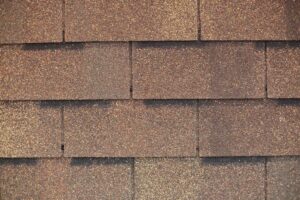
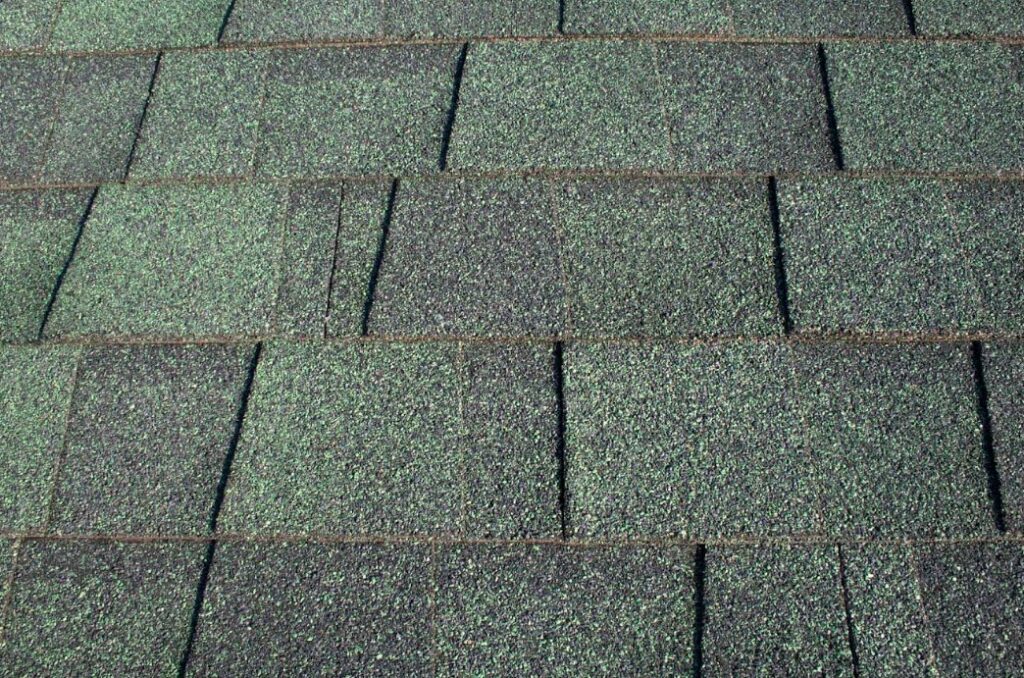
- Shingle Bruising: When hail strikes an asphalt shingle, it compresses the internal mat and forces the protective granules to break away. This leaves behind a dark, soft spot that feels like a bruised apple. Over time, the sun bakes this exposed spot until it cracks open and leaks.
- Splits and Fractures: In severe storms, hail can fracture the back of the fiberglass mat entirely. Even if it looks intact on the surface, the shingle’s structural integrity is compromised.
- Dented Soft Metals: Look closely at your metal valley flashing, ridge vents, mailbox, and downspouts. If you see round dents in these soft metals, it’s a massive red flag that your shingles took the exact same beating.
Check Your Property: The 3-Step Ground Inspection Guide
You don’t need to risk your safety on a ladder to find out if your home was hit hard. Grab a pair of binoculars and take a walk around your yard using this simple checklist.
Step 1: Walk the Perimeter
Look up at the eaves, rakes, and ridges of your roof. Look for any shingles that appear crooked, lifted, or completely missing. Check your yard and landscaping for broken pieces of shingles or chunks of metal flashing that may have blown off.
Step 2: Inspect the Gutters and Downspouts
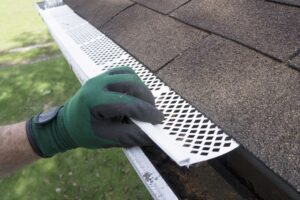
Your gutter system acts like a trap for storm debris. Check the splash blocks at the bottom of your downspouts. If you notice heavy piles of gritty, sand-like granules, your shingles are rapidly losing their protective outer coating due to hail impact or wind scouring. Also, check the sides of your gutters and downspouts for fresh dings and dents.

Step 3: Look at Secondary Surfaces
Storm damage doesn’t limit itself to the roof surface. Check these easily visible areas around your home:
- Window Screens: Look for small holes, tears, or star-shaped dents in your metal screens.
- Vinyl Siding: Check for cracks, chips, or pieces of siding that have been jarred loose by high winds or horizontal hail.
- Outdoor Light Fixtures: Cracked glass or broken plastic covers are great indicators of a storm’s severity.
If you spot any of these secondary signs, it’s highly recommended to get a local storm damage roofer in Danville, IN out to perform a complete, comprehensive assessment.
The Neighborhood Rule: Storm damage doesn’t skip houses. If you see your neighbors scheduling roof inspections or notice out-of-state roofing trucks rolling down your street, there is a very high probability that your roof has sustained the same environmental impact.
Why You Can’t Afford to Wait to File a Claim
Many homeowners notice a few minor dents or a single missing shingle and figure they’ll handle it eventually. Unfortunately, waiting is the costliest mistake you can make.
Most homeowners insurance policies carry strict time constraints, typically one year from the exact date of the storm event, to file a property damage claim. If you wait until your ceiling starts dripping next spring, your insurance provider may deny the claim due to neglect or failure to act within the policy limits.
Out-of-state storm chasers frequently flood West Central Indiana after a major weather event. These fly-by-night operations use high-pressure sales tactics, demand immediate signatures, and often disappear the second they collect the insurance check, leaving you stranded with zero local warranty support.
Red Beard Roofing is built on community trust. We live right here, we work right here, and we’ll be here to honor our warranties long after the storm season passes.
Storm Damage FAQs
What should I do immediately if I suspect storm damage?
Take clear photos and videos of any visible damage from the ground, note the exact date and time of the storm, and call a trusted local roofing contractor for a professional inspection before contacting your insurance company.
Can hail damage cause my roof to leak immediately?
Rarely. Hail damage acts like a ticking time bomb. It breaks down the shingle mat and sheds granules, leading to slow leaks months later as solar UV exposure worsens the bruised spots.
Will my insurance premium go up if I file a storm damage claim?
Storm damage is classified as an Act of Nature. While insurance laws vary, insurance companies generally cannot single out an individual homeowner for a rate increase based purely on a catastrophic weather claim.
What is the difference between an insurance adjuster and a roofing contractor?
An insurance adjuster works on behalf of the insurance company to evaluate claim payouts. A trusted roofing contractor works on your behalf to ensure every piece of actual damage is properly documented and repaired to code.
Do I have to replace my whole roof if a few shingles are missing?
Not necessarily. If the damage is localized to a small area and the rest of the shingles are in healthy condition, a targeted wind repair is often completely viable. A thorough inspection will determine the right path.
Get Honest Answers Before the Next Storm Hits
Dealing with storm damage can feel incredibly stressful, but you don’t have to navigate the insurance and repair process alone.
At Red Beard Roofing, we don’t believe in high-pressure sales pitches or fearmongering. We pull into your driveway, thoroughly inspect your property, and give you the straightforward, honest truth. If your roof just needs a simple, minor repair, we’ll tell you. If it requires a full replacement, we’ll help you lay out your options and look at flexible financing paths that fit your family budget.
Don’t wait for a small leak to turn into an expensive headache.
Schedule your free roof inspection with Red Beard Roofing today, and let our family protect yours.
Where the beard is good, but the roofs are better.