Your siding does a lot more than make your home look good.
It’s one of your home’s primary defenses against Indiana’s harsh weather, helping keep moisture out, conditioned air in, and your family’s biggest investment protected year-round.
The problem is that siding doesn’t usually fail all at once.
A small crack here. A warped panel there. A little fading that seems cosmetic. Over time, those issues can quietly increase your energy bills, allow moisture into your walls, and create expensive structural problems that aren’t visible until significant damage has already occurred.
As temperatures start dropping across West Central Indiana, many homeowners notice their heating bills climbing. While your furnace often gets the blame, failing siding may be contributing more than you realize.
If you’re wondering whether your exterior is still doing its job, here are the most common signs of failing siding that Indiana homeowners should watch for, and what those problems may be costing you every month.
Key Takeaways
- Damaged siding can increase heating and cooling costs by allowing air leaks and moisture intrusion.
- Warping, cracking, fading, and mold growth are common warning signs of siding failure.
- Older homes built between the 1970s and 1990s are often at higher risk for siding issues.
- Moisture behind siding can lead to rot, mold, and structural damage.
- Modern siding materials can improve energy efficiency and curb appeal.
- Red Beard Roofing provides free siding inspections to help homeowners identify problems before they become expensive repairs.
If you’re concerned about your home’s exterior, schedule a free siding inspection with Red Beard Roofing today.
How Failing Siding Costs Homeowners Money Every Month
Most homeowners associate high energy bills with:
- Aging HVAC systems
- Poor insulation
- Drafty windows
What many don’t realize is that siding plays a major role in your home’s energy efficiency. When siding begins to fail, gaps and openings allow outside air to enter while heated indoor air escapes.
During Indiana winters, that means:
- Your furnace runs longer.
- Rooms become harder to keep comfortable.
- Energy bills continue climbing.
Even small air leaks around damaged siding can increase heating and cooling costs month after month.
While every home is different, homeowners often spend hundreds of dollars more annually when exterior components are no longer properly sealed.
That’s why energy-efficient siding installed by Indiana homeowners today is often viewed as both a protective upgrade and a long-term investment.
6 Signs Your Siding Is Failing
1. Warped or Buckling Siding
One of the clearest warning signs is siding that no longer sits flat against the home.
Warping often appears as:
- Bowed panels
- Ripples
- Bulges
- Buckling sections
While some homeowners assume this is merely cosmetic, warped siding often indicates moisture has become trapped behind the panels.
Once moisture enters the wall system, it can begin affecting insulation, framing, and structural components.
If you’ve noticed panels pulling away from the home, it may be time to explore warped siding repair, a common need for Indiana homeowners before larger problems develop.
2. Cracks, Holes, and Visible Damage
Even small cracks can create big problems.
Damaged siding allows:
- Moisture infiltration
- Pest intrusion
- Air leaks
- Reduced insulation performance
Indiana’s weather creates plenty of opportunities for siding damage. Hailstorms, high winds, lawn equipment, and freeze-thaw cycles can all contribute to cracking over time.
A few isolated cracks may be repairable, but widespread damage often points toward a larger siding issue.
3. Fading and Discoloration
Many homeowners assume fading is simply a cosmetic concern. In reality, severe fading often indicates that the siding’s protective finish is breaking down.
When that protective layer deteriorates, siding becomes more vulnerable to:
- UV damage
- Moisture absorption
- Cracking
- Premature aging
Fading can also impact curb appeal and property value, especially if multiple sides of the home are affected.
4. Mold, Mildew, or Moisture Stains
One of the most serious warning signs is recurring moisture.
Watch for:
- Green algae
- Mold growth
- Mildew stains
- Dark streaks
- Water discoloration
These issues may indicate ongoing moisture damage siding Indiana homeowners often don’t discover until significant deterioration has occurred behind the walls.
Moisture problems rarely improve on their own. The longer water remains trapped behind siding, the greater the risk of rot and structural damage.
5. Rising Energy Bills
If your heating bills have steadily increased despite no major changes in energy usage, your siding could be contributing.
Failing siding creates pathways for air movement.
That means:
- Warm air escapes during winter.
- Cold air enters the home.
- HVAC systems work harder.
- Utility costs increase.
Many homeowners are surprised to learn how much exterior upgrades can improve overall comfort and efficiency.
6. Constant Repairs and Maintenance
At some point, repairs stop making financial sense.
If you’re repeatedly:
- Repainting
- Patching cracks
- Replacing damaged sections
- Caulking gaps
your siding may be telling you it’s nearing the end of its lifespan.
Sometimes replacement is the more cost-effective option compared to ongoing repairs year after year.
Why Older Indiana Homes Are Especially Vulnerable
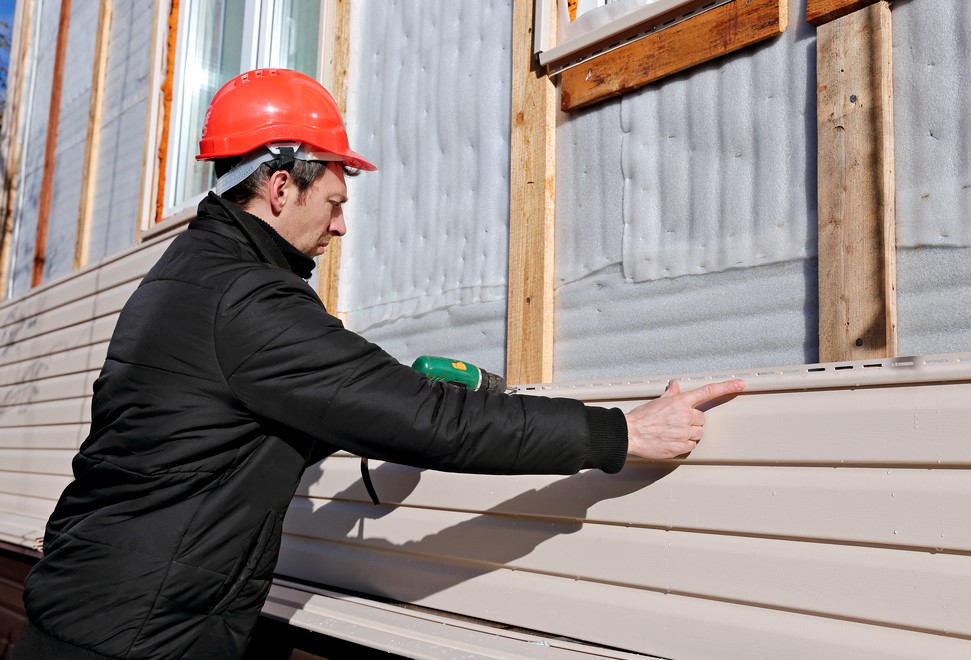
Many homes throughout West Central Indiana were built during the 1970s, 1980s, and 1990s.
For many of those homes, the original siding is reaching or exceeding its expected lifespan.
Over decades, siding experiences:
- Temperature swings
- Hailstorms
- High winds
- Freeze-thaw cycles
- UV exposure
Even well-maintained siding eventually begins to show its age.
If your home is more than 25 years old and still has its original exterior, a professional inspection may reveal issues that aren’t obvious from the ground.
Vinyl Siding vs. Fiber Cement: What Works Best in Indiana?
When discussing siding replacement, Indiana homeowners often ask which material performs best.
The answer depends on your priorities.
Vinyl Siding
Vinyl siding Greencastle IN homeowners choose remains one of the most popular options because it offers:
- Lower maintenance
- Excellent value
- Strong weather resistance
- Numerous color options
- No painting requirements
Modern vinyl siding has improved significantly compared to older products and performs well in Indiana’s climate.
Fiber Cement Siding
Fiber cement offers:
- Exceptional durability
- Resistance to pests
- Strong impact resistance
- Long lifespan
However, it typically comes with a higher upfront investment and may require periodic repainting. Both materials can be excellent choices when professionally installed.
The best option depends on your home, budget, maintenance preferences, and long-term goals.
What Happens If You Ignore Failing Siding?
The biggest risk isn’t the siding itself. It’s what happens behind it.
As moisture continues entering the wall system, homeowners may eventually face:
- Rotting sheathing
- Mold growth
- Damaged framing
- Insulation replacement
- Interior drywall repairs
What starts as a relatively manageable siding project can become a much larger structural repair if problems are left unchecked for years.
That’s why addressing issues early is usually the least expensive path forward.
One Contractor for Roofing and Siding
One advantage many homeowners appreciate is working with a contractor who understands the entire exterior system.
At Red Beard Roofing, we don’t just look at siding.
We evaluate how your:
- Roof
- Gutters
- Fascia
- Soffits
- Siding
all work together to protect your home.
When roofing and siding projects are coordinated under one team, homeowners often benefit from:
- Simpler project management
- Better communication
- Consistent workmanship
- Improved scheduling
- Potential cost savings
Rather than coordinating multiple contractors, you have one trusted local team handling the entire exterior.
Siding FAQs
How do I know if I need siding repair or replacement?
Minor isolated damage can often be repaired. Widespread cracking, warping, moisture issues, or recurring repairs typically indicate replacement may be the better long-term solution.
How much does siding replacement cost in Indiana?
The cost of siding replacement for Indiana homeowners varies based on material, home size, and project complexity. A professional inspection is the best way to determine accurate pricing.
Does new siding improve energy efficiency?
Yes. Modern siding systems can help reduce air leakage, improve insulation performance, and increase overall comfort year-round.
How long does siding typically last?
Most siding products last between 20 and 40 years, depending on material, weather exposure, maintenance, and installation quality.
Can moisture behind siding damage my home?
Absolutely. Moisture trapped behind siding can contribute to mold, rot, insulation damage, and structural deterioration if left unaddressed.
Schedule Your Free Siding Inspection
Many siding problems are visible from the ground, but some of the most expensive issues are hidden beneath the surface.
If you’ve noticed warping, cracking, fading, moisture stains, or rising energy bills, now is the perfect time to have your home’s exterior evaluated before winter arrives.
Red Beard Roofing provides free siding inspections throughout West Central Indiana and can help you determine whether a simple repair or a full replacement makes the most sense.
Schedule your free siding inspection today and get honest answers before small problems turn into expensive repairs.
Your local West Central Indiana roofing and siding team. Honest inspections. Quality craftsmanship. Reliable service.