As summer fades and cooler temperatures arrive, many Indiana homeowners start preparing their homes for winter. They service their furnace, winterize outdoor plumbing, and stock up on ice melt. But one of the most important parts of the house is often overlooked: the roof.
Fall is the ideal time to inspect your roofing system because it gives you a chance to identify small problems before snow, ice, and freezing temperatures make them worse. A missing shingle in September might seem minor, but by January, that same issue could lead to leaks, water damage, or expensive emergency repairs.
If you’re looking for a practical fall roof inspection checklist Indiana homeowners can follow before winter arrives, you’ve come to the right place. Use this guide to prepare your home for the months ahead and protect one of your biggest investments.
Key Takeaways
- Fall is the best time to inspect your roof before winter weather arrives.
- Indiana’s freeze-thaw cycles can turn small roofing issues into major repairs.
- Gutters, flashing, attic ventilation, and shingles all play a role in winter roof performance.
- Water stains, missing shingles, and sagging gutters are signs you shouldn’t ignore.
- A professional inspection can identify hidden issues before they become costly emergencies.
If you’re preparing your home for winter, schedule your free roof inspection with Red Beard Roofing before the first freeze arrives.
Why Fall Is the Most Important Roofing Season in Indiana
Indiana weather is tough on roofs.
During the winter, your roofing system faces:
- Snow accumulation
- Ice dams
- Freeze-thaw cycles
- Heavy winds
- Temperature swings
Winter alone doesn’t usually create roofing issues; it exposes the ones that already exist.
A loose shingle, cracked flashing, or clogged gutter may not cause immediate problems during the summer. Once snow and ice enter the equation, however, those weak points become vulnerable to leaks and water intrusion.
That’s why proactive roof maintenance that Indiana homeowners complete now can save significant money and stress later.
Your 10-Point Indiana Fall Roof Checklist
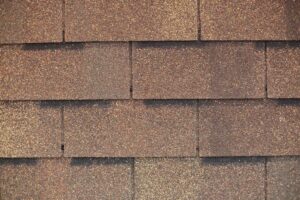
1. Check for Missing or Damaged Shingles
Your shingles are your home’s first line of defense against the weather.
From the ground, look for:
- Missing shingles
- Curling edges
- Cracked shingles
- Bald spots where granules have worn away
- Dark patches
Indiana’s summer storms often cause subtle damage that goes unnoticed until winter arrives. If you spot missing shingles, don’t wait until spring to address them.
2. Inspect Your Ridge Cap
The ridge cap runs along the highest point of your roof and helps seal the roof system against water intrusion.
Look for:
- Loose ridge cap shingles
- Cracks
- Missing sections
- Uneven areas
Ridge caps are highly exposed to wind, so they’re often one of the first areas affected by severe weather.
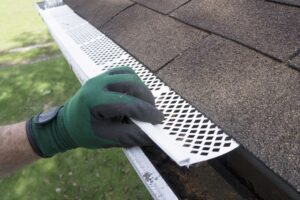
3. Clean and Inspect Your Gutters
Gutters are among the most important parts of any roof checklist that Indiana homeowners should follow.
Leaves, sticks, and debris can prevent water from draining properly.
Clogged gutters contribute to:
- Ice dams
- Water backup
- Fascia damage
- Foundation issues
- Roof leaks
Before fall leaves begin accumulating, make sure gutters and downspouts are flowing freely.
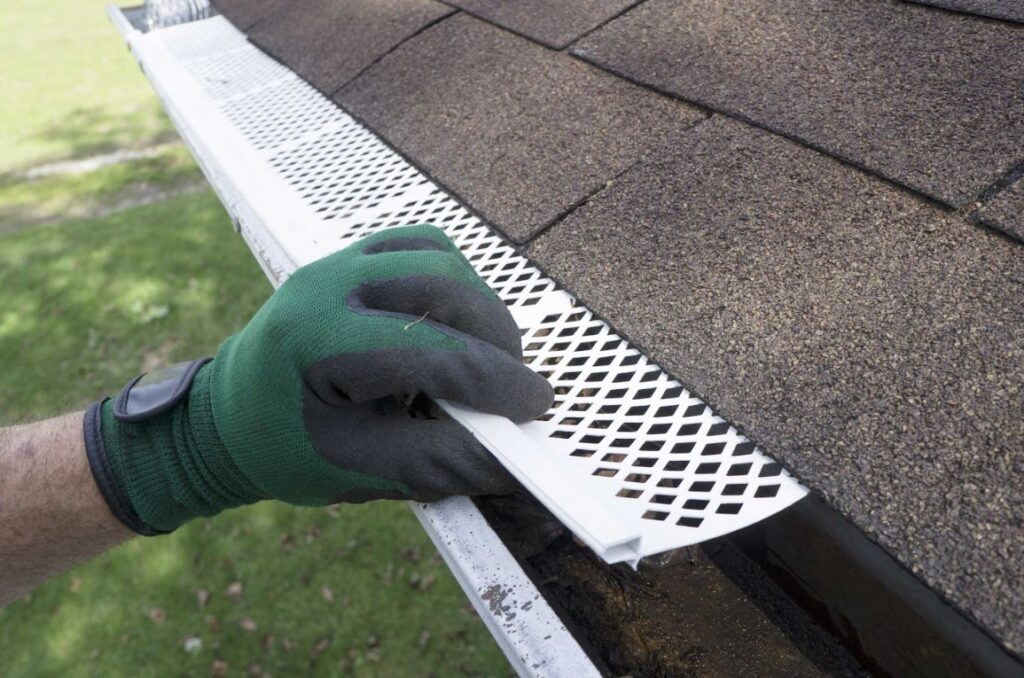
4. Look for Sagging Gutters or Loose Fasteners
While cleaning your gutters, check their overall condition.
Watch for:
- Sagging sections
- Gutters pulling away from the house
- Loose brackets
- Standing water
These issues often worsen once winter snow and ice add extra weight.
5. Schedule a Flashing Inspection
Flashing protects vulnerable areas where water is most likely to enter your home.
A proper flashing inspection that Indiana homeowners perform each fall should focus on:
- Chimneys
- Skylights
- Roof valleys
- Plumbing vents
- Wall intersections
Damaged flashing is one of the most common causes of roof leaks during winter. Even small gaps can allow water to penetrate beneath roofing materials.
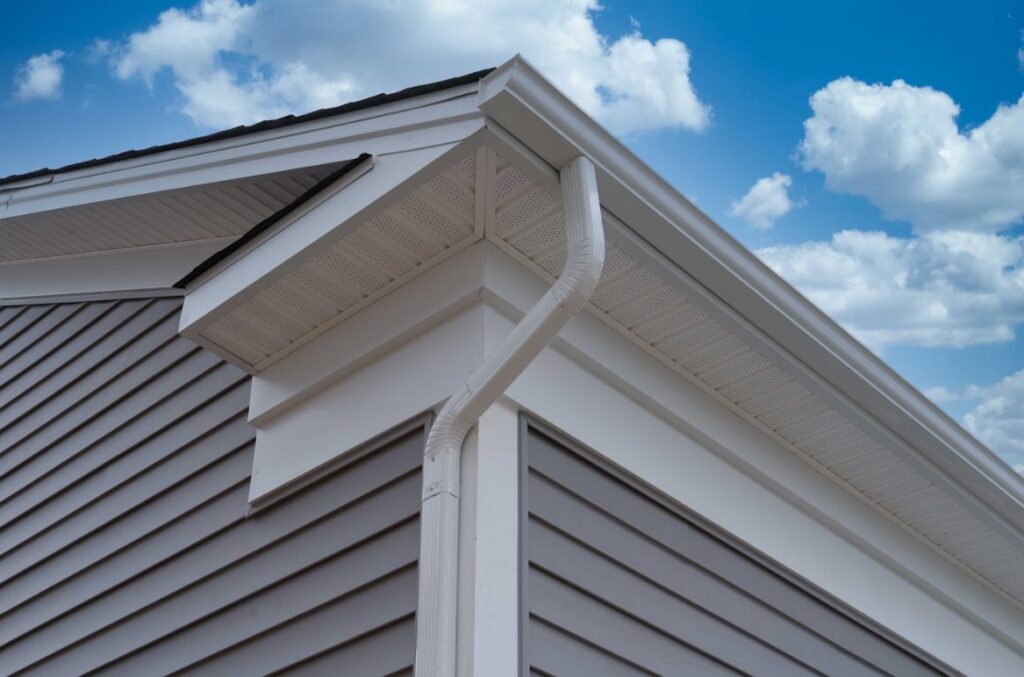
6. Inspect Soffits and Fascia
Soffits and fascia work together to protect your roof edge and support proper ventilation.
Look for:
- Peeling paint
- Rotting wood
- Soft spots
- Water staining
These components often reveal early signs of drainage problems before more serious roof damage occurs.
7. Check Your Chimney and Roof Penetrations
Any area that breaks through the roof surface creates a potential entry point for water.
Inspect:
- Chimney flashing
- Vent boots
- Exhaust vents
- Skylight seals
Small cracks around these areas often become major leaks after repeated freeze-thaw cycles.
8. Evaluate Downspout Drainage
Your gutters are only as effective as your downspouts. Water should discharge several feet away from your home’s foundation.
If water pools near your house after a rainstorm, you may need:
- Downspout extensions
- Drainage improvements
- Gutter adjustments
Preventing water accumulation now can help protect both your roof and foundation.
9. Perform an Attic Ventilation Check
This is the step many homeowners skip.
Ironically, it may be one of the most important.
A proper attic ventilation check Indiana homeowners perform can help prevent:
- Ice dams
- Moisture buildup
- Mold growth
- Premature roof aging
Your attic should remain relatively close to the outdoor temperature during winter.
When warm air becomes trapped in the attic, it melts snow on the roof. That water then refreezes near the edges, creating ice dams that force water beneath shingles.
10. Schedule a Professional Roof Inspection Before Winter
Some roofing issues simply can’t be identified from the ground.
A professional roof inspection before winter can uncover:
- Hidden storm damage
- Loose flashing
- Ventilation concerns
- Early leak indicators
- Structural issues
The sooner these problems are identified, the easier and less expensive they are to address.
What Are The Warning Signs You Shouldn’t Ignore Before Winter?
While every roof should be inspected in the fall, certain issues require immediate attention.
Contact a roofing professional if you notice any of these warning signs.
Missing Shingles
Exposed areas are vulnerable to water intrusion and wind damage.
Lifted Shingle Edges
Raised shingles can allow water to work underneath the roofing system.
Interior Water Stains
Brown spots on ceilings or walls often indicate an active leak.
Granules in Gutters
Excessive granule loss may indicate aging shingles approaching the end of their lifespan.
Visible Sagging
Any sagging area should be evaluated immediately.
How Do Indiana’s Freeze-Thaw Cycles Damage Roofs?
One of the biggest threats to Indiana roofs isn’t necessarily snow. It’s the constant freezing and thawing.
Here’s what happens:
- Water enters a small crack.
- Temperatures drop overnight.
- Water freezes and expands.
- The crack becomes larger.
- The cycle repeats.
Over time, this process can damage:
- Shingles
- Flashing
- Sealants
- Gutters
- Roof decking
The earlier these weak spots are identified, the less damage winter can cause.
The Cost of Prevention vs. The Cost of Waiting
Many homeowners postpone roof inspections because they assume everything is fine.
Unfortunately, emergency winter repairs are usually far more expensive than preventative maintenance.
A routine roof tune-up Indiana homeowners schedule in the fall may identify a minor repair before it becomes:
- An active leak
- Interior drywall damage
- Mold growth
- Insulation replacement
- Emergency service during freezing temperatures
Fall inspections are one of the most cost-effective investments homeowners can make.
How Red Beard Roofing Helps Indiana Homeowners Prepare for Winter
At Red Beard Roofing, we understand the challenges Indiana weather creates.
Our team helps homeowners throughout Bainbridge, Greencastle, Danville, and surrounding communities prepare for winter with honest inspections and practical recommendations.
Our free inspections include evaluations of:
- Shingles
- Flashing
- Ridge caps
- Gutters
- Ventilation
- Roof penetrations
- Storm damage concerns
We’ll explain what we find, answer your questions, and help you make informed decisions about protecting your home.
No pressure. No gimmicks. Just honest guidance from your local roofing team.
Fall Roof Maintenance FAQs
When should I schedule a fall roof inspection in Indiana?
September and October are ideal. This gives homeowners time to complete repairs before freezing temperatures arrive.
How often should my roof be inspected?
Most roofs should be professionally inspected at least once per year, with fall being one of the best times to schedule an evaluation.
Why is attic ventilation important during winter?
Proper ventilation helps prevent heat buildup that contributes to ice dams, moisture problems, and premature roof deterioration.
Can clogged gutters really damage my roof?
Yes. Clogged gutters can cause water backup, ice dams, fascia damage, and roof leaks during winter weather.
What is the biggest roofing threat during Indiana winters?
Freeze-thaw cycles and ice dams are among the most common causes of winter roof damage throughout Indiana.
Schedule Your Fall Roof Inspection Before the First Freeze
Winter weather has a way of finding every weak spot in your roofing system.
The good news is that most problems can be identified and addressed before snow and ice arrive.
Use this checklist as a starting point, but don’t rely solely on what you can see from the ground. A professional inspection can uncover hidden issues and give you peace of mind heading into winter.
Schedule your free fall roof inspection with Red Beard Roofing today and make sure your home is ready for whatever an Indiana winter brings.
Where the beard is good, but the roofs are better