When homeowners think about attic insulation, they usually think about comfort and energy bills.
What many don’t realize is that proper insulation also plays a major role in protecting their roof.
In Indiana, winter brings freezing temperatures, snow accumulation, ice, and constant freeze-thaw cycles. When an attic isn’t properly insulated and sealed, heat escapes from the living space below and warms the underside of the roof. That heat can trigger a chain reaction that leads to ice dams, roof leaks, damaged shingles, and costly repairs.
The good news is that most of these problems are preventable.
Understanding how attic insulation that Indiana homeowners install works together with their roofing system can help protect both their home and their wallet throughout the winter months.
Key Takeaways
- Poor attic insulation allows heat to escape and contributes to ice dam formation.
- Ice dams are one of the most common causes of winter roof damage in Indiana.
- Proper insulation and attic air sealing work together to improve roof performance.
- Most Indiana homes should have attic insulation rated between R-49 and R-60.
- Warning signs include icicles, cold rooms, uneven snowmelt, and rising heating bills.
- Proper insulation can extend roof life and improve energy efficiency.
If you’re preparing your home for winter, schedule an attic insulation assessment with Red Beard Roofing before the first hard freeze arrives.
The Connection Between Your Attic and Your Roof
Your attic sits directly between your living space and your roofing system.
Ideally, your attic should remain relatively close to the outdoor temperature during winter. This helps your roof handle snow and ice evenly while reducing stress on roofing materials.
Problems begin when warm air escapes from your home into the attic.
Without adequate insulation and proper sealing, that heat warms the roof deck from underneath. Even when outdoor temperatures remain below freezing, portions of the roof may become warm enough to melt accumulated snow.
That melting snow eventually reaches colder roof edges and gutters where it refreezes. The result is an ice dam. This process is one of the leading causes of winter roofing problems throughout Indiana.
How Do Ice Dams Form?
Many homeowners have seen large icicles hanging from gutters and assumed they were harmless.
In reality, those icicles are often a warning sign.
Here’s how the process works:
- Heat escapes into the attic.
- The roof surface warms unevenly.
- Snow begins melting on warmer sections.
- Melted water flows toward the colder roof edge.
- Water refreezes near the eaves.
- Ice dams form.
- Water becomes trapped behind the ice.
Once trapped, water can back up beneath shingles and enter your home.
This is why ice dam prevention in Indiana homes starts with attic performance, not the roof surface itself.
Why Are Indiana Homes So Vulnerable?
Indiana experiences weather conditions that create the perfect environment for insulation-related roof problems.
Homeowners routinely deal with:
- Snow accumulation
- Freezing temperatures
- Freeze-thaw cycles
- Winter storms
- Ice buildup
Many homes throughout West Central Indiana were built decades ago when insulation standards were much lower than they are today.
Even newer homes can experience problems because:
- Insulation settles over time.
- Air leaks develop around attic penetrations.
- Ventilation systems become blocked.
- Previous upgrades were incomplete.
These issues often go unnoticed until roof damage or rising utility bills become obvious.
What Does R-Value Mean?
One of the most common questions homeowners ask is:
“What level of insulation do I actually need?”
The answer often starts with understanding R-value. R-value measures how effectively insulation resists heat transfer. The higher the number, the better the insulation performs.
For Indiana’s Climate Zone 5, experts generally recommend attic insulation levels between:
- R-49
- R-60
Homes with lower insulation levels often experience greater heat loss and increased winter roofing risks. If you’re unsure about your home’s insulation levels, an inspection can help determine whether upgrades are needed.
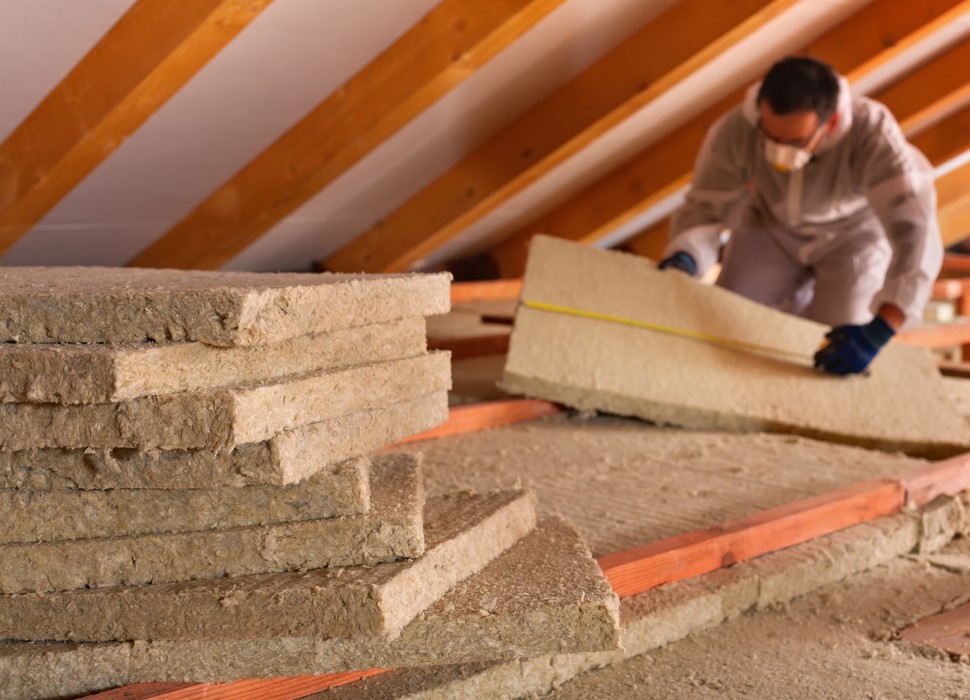
Insulation and Air Sealing Are Not the Same Thing
Many homeowners assume adding more insulation solves every attic problem. In reality, insulation and air sealing perform different jobs.
Insulation
Insulation slows heat transfer.
Its job is to keep heat inside your home during winter and outside during summer.
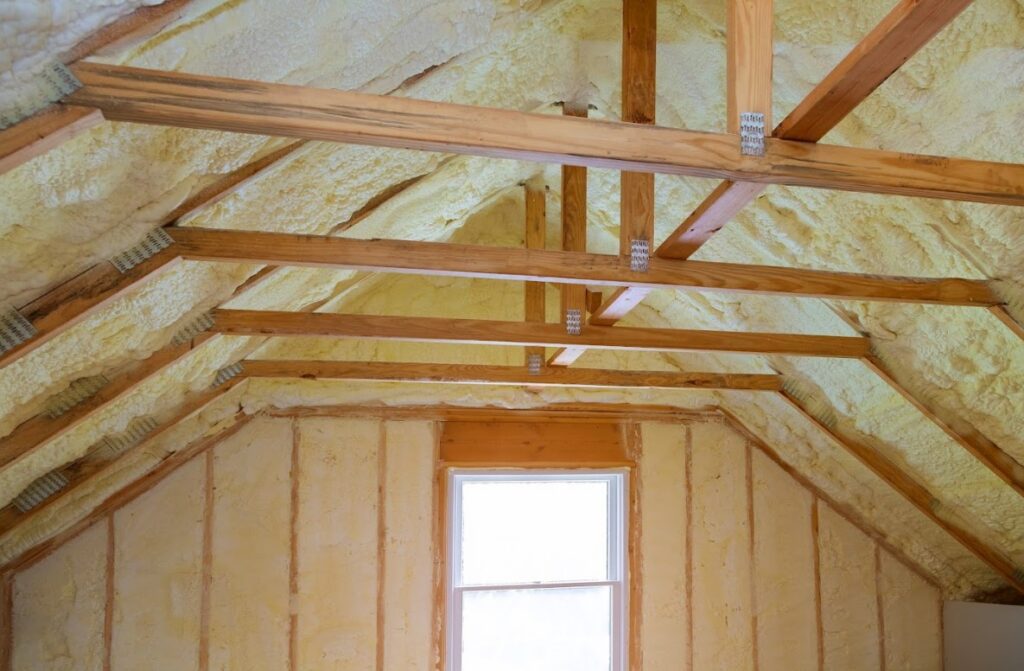
Air Sealing
Attic air sealing that Indiana homeowners invest in prevents warm indoor air from escaping into the attic.
Common air leak locations include:
- Recessed lighting
- Plumbing penetrations
- Electrical openings
- Attic access doors
- HVAC penetrations
Think of it this way:
- Insulation slows heat movement.
- Air sealing stops heat movement.
- For maximum performance, most homes need both.
What Are The Signs Your Attic Insulation May Be Failing?
Many homeowners don’t realize there’s a problem until winter arrives.
Watch for these warning signs.
Large Icicles Along Gutters
While small icicles aren’t unusual, excessive icicle formation often indicates heat loss in the attic.
Ice Dams
Visible ice buildup along roof edges is one of the clearest indicators of insulation problems.
Uneven Snow Melt
If some areas of your roof lose snow much faster than others, heat may be escaping through poorly insulated sections.
Cold Rooms
Rooms located beneath the attic often feel noticeably colder when insulation is inadequate.
High Heating Bills
Unexpected increases in energy usage frequently point toward attic heat loss.
Drafts and Temperature Swings
If your home’s temperature fluctuates significantly, your attic may not be performing as efficiently as it should.
How Proper Insulation Extends Roof Life
Most homeowners understand that insulation lowers utility bills. What many don’t realize is how much it can help protect their roofing investment.
Proper attic insulation helps by:
- Reducing freeze-thaw stress
- Preventing ice dams
- Limiting moisture buildup
- Reducing condensation
- Protecting roof decking
- Supporting manufacturer warranty requirements
When roofing materials experience fewer temperature extremes and less moisture exposure, they typically last longer and perform better. That’s one reason many roofing manufacturers emphasize proper attic conditions when evaluating warranty claims.
Blown-In Insulation: A Popular Upgrade for Indiana Homes
For many homes, blown-in insulation provides an efficient way to improve attic performance.
Benefits include:
- Excellent coverage
- Improved energy efficiency
- Better performance around obstacles
- Faster installation
- Cost-effective upgrades
Blown-in insulation can often be added over existing insulation, making it an attractive option for homeowners looking to improve performance without major renovations.
The right solution depends on your home’s current insulation levels, attic configuration, and overall energy goals.
Why Roofing Contractors Understand Insulation Better Than Most
Many homeowners assume insulation is completely separate from roofing. In reality, the two systems are closely connected.
A roof’s performance depends heavily on what happens beneath it.
At Red Beard Roofing, we evaluate:
- Roofing materials
- Ventilation systems
- Attic insulation
- Air sealing concerns
- Moisture risks
as part of a complete roofing system.
Instead of coordinating multiple contractors, homeowners can work with one local team that understands how every component affects long-term roof performance.
Attic Insulation FAQs
What is the recommended attic insulation level in Indiana?
Most homes in Indiana’s Climate Zone 5 should have attic insulation between R-49 and R-60.
Can attic insulation really prevent ice dams?
Proper insulation significantly reduces the conditions that cause ice dams by limiting heat transfer into the attic.
How do I know if my attic is losing heat?
Common signs include icicles, uneven snowmelt, cold rooms, rising heating bills, and ice dams.
Is insulation enough, or do I need air sealing too?
Most homes benefit from both. Insulation slows heat transfer while air sealing prevents warm air from escaping into the attic.
Will improving insulation lower my energy bills?
Yes. Better insulation often reduces heating and cooling costs while improving overall comfort.
Schedule Your Attic Insulation Assessment Before Winter Arrives
Once Indiana’s winter weather arrives, attic problems become much harder to address.
If you’ve noticed icicles, uneven snowmelt, cold rooms, or rising heating bills, now is the perfect time to evaluate your attic’s performance.
Red Beard Roofing can assess your insulation levels, identify heat-loss concerns, and help you determine whether upgrades could improve your home’s comfort and protect your roof.
Schedule your attic insulation assessment today and get ahead of winter before the first hard freeze arrives.
Where the beard is good, but the roofs are better.